
Arrest Warrants in Marion County
An arrest warrant is court process that lets officers make an arrest after a lawful review, usually built on a complaint, an affidavit, and probable cause. What matters most is which court issued it, what stage the case is in, and which agency serves it. Marion County's public sites offer no countywide warrant search and no sample listing of active warrants. For a file that may already exist, ask the issuing clerk about the court record and ask sheriff dispatch about the service side. Those two offices answer different questions, so use both.
Marion County Arrest Warrant Review Starts With a Complaint
Tennessee Rule of Criminal Procedure 4 governs an arrest warrant or summons issued on a complaint. A sworn statement lays out the facts. A judge or authorized magistrate then reviews it. Whether a warrant issues depends on the filing and the court's decision, so no website can predict the outcome. The official Tennessee criminal rules index links Rule 4 directly. Ask the Marion County clerk which process appears in your specific case.
What a Marion County Arrest Warrant Contains
Marion County publishes no public arrest-warrant record to inspect. When you call the clerk, ask which fields the file actually contains and whether any part is restricted. Treat the list of possible fields as a question to ask, not a promise of what a public screen will show.
| Process and case number | Warrant or capias identifier and court cause number |
|---|---|
| Issuing authority | Court, judge, or magistrate and issue date |
| Charge | Offense stated in the complaint or indictment |
| Bond direction | Amount and type, recognizance, or no-bond notation |
| Service and status | Agency, return, current status, and date recorded |
A service return and a case outcome are separate entries.
Marion County Capias Follows Indictment
Rule 9 covers a capias or summons issued after indictment or presentment. The Circuit Court Clerk is the Marion County route to that court record. This later-stage process differs from a complaint-based arrest warrant, though both can direct a person to court. Ask the clerk to confirm the process label, the case number, the next event, and whether counsel can arrange an appearance. Do not assume "capias pro fine" is Marion County's standard label for unpaid traffic matters.
How Marion County Arrest Warrants Are Served
The Sheriff's Department serves criminal warrants countywide. Its dispatch page says staff manage warrant information, maintain NCIC entries, and coordinate with the courts. Municipal police can serve city-court process under local code. The sheriff posts no warrant roster and no universal surrender instructions. The dispatch page explains that county service and coordination role. Federal process runs through a separate court and service system. The U.S. District Court's Chattanooga page lists its courthouse contact.
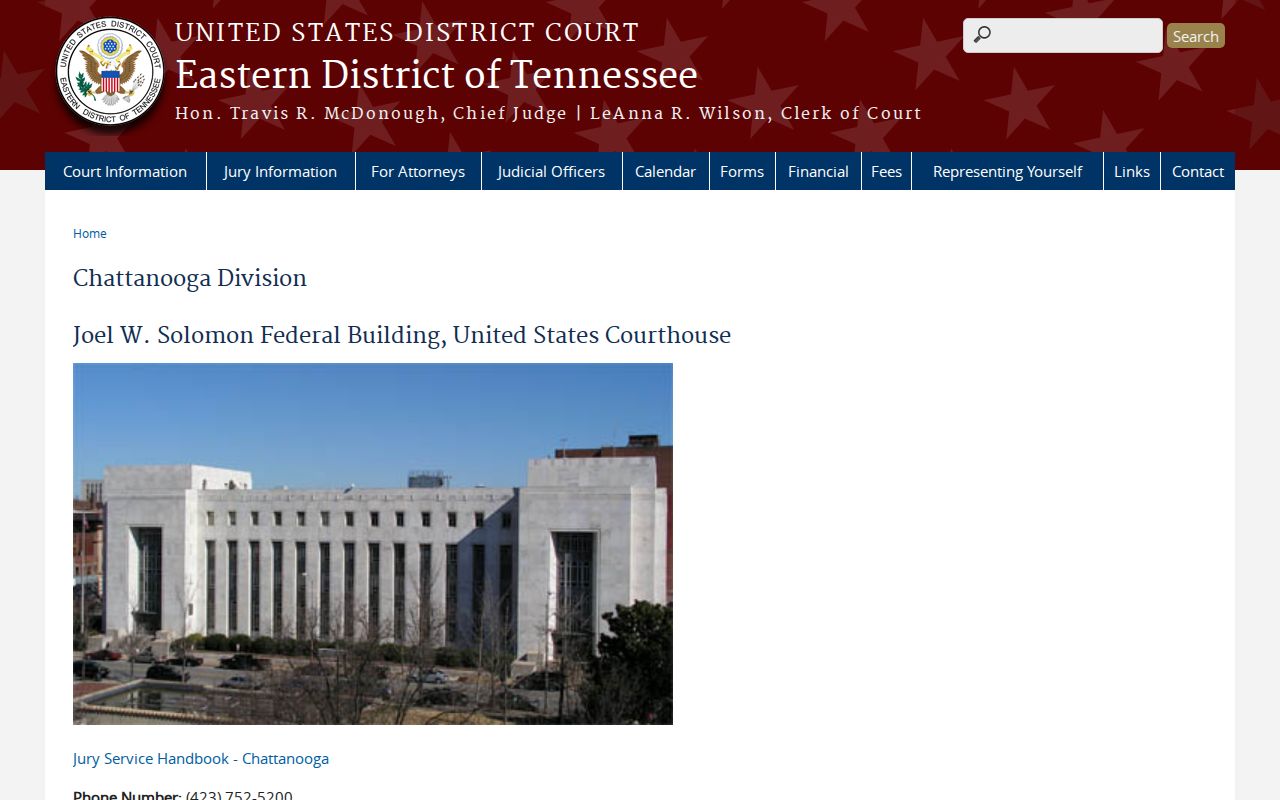
A federal question belongs with the federal clerk or Marshals, not the county court.
Marion County Arrest Warrant Agencies
Each office answers a different piece. The court issues process and controls what happens in the case. The Circuit Court Clerk or municipal clerk keeps the docket. The Sheriff's Department routes county service questions, while a city police department may serve its own town court's process. The jail answers custody and booking questions. When the issue is unclear, treat the sheriff's dispatch page as a routing source, not proof of status. Give the Marion County clerk the court and case number, and ask dispatch whether it can confirm the service side. No single public website combines all those records.
Arrest Warrant vs Summons vs Bench Warrant
A summons orders an appearance at a stated time. An arrest warrant authorizes an arrest under the issuing order. A bench warrant usually follows a missed court obligation. One Marion County case can move through more than one kind of process, so read the document title and ask the clerk.
| Process | Usual role | Marion route |
|---|---|---|
| Arrest warrant | Arrest following court review | Issuing clerk and sheriff dispatch |
| Summons | Directs appearance without immediate arrest | Court clerk named in notice |
| Bench warrant | Responds to missed appearance or order | Court that set the case |
The court's own label controls the next step.
Federal Warrants in Marion County Cases
Marion County sits in the Chattanooga Division of the U.S. District Court for the Eastern District of Tennessee. Federal case records may be reachable through PACER. Sealed filings and operational warrant details may not appear there. The U.S. Marshals and the federal court control their own records and service. Use the federal court contact page for docket questions and the official Marshals directory for service routing. If an arrest threat or demand surprises you, confirm it with an official number first. A Marion County check cannot settle a federal case.
What to Do If There Is a Warrant for You
Call the issuing clerk first. Ask for current status, the next date, bond terms, and a written recall or appearance route. Contact an attorney about the specifics. If surrender is required, call the jail and clerk ahead of time about location, booking, identification, medication, bond, and expected timing. Marion County publishes no general walk-in schedule.
Do not arrive on a guess. Ask the court and sheriff which step applies, and keep the written order or receipt.
Posting bond can address release and future appearance without ending the charge. The Marion County warrant resolution steps lay out the county contact order.
Marion County Arrest Warrant Service and Custody
Service asks whether an officer executed or was assigned the process. Custody asks whether a person is booked, held, or eligible for release. Court status asks whether the warrant was recalled or another appearance is due. Driver Services may hold a separate compliance record after a reported failure to appear. These records update on their own clocks. Keep your court papers and receipts, then ask the Marion County clerk when the sheriff or state record should catch up. The public sources publish no synchronization timeline.