
Active Warrants in Marion County
An active warrant is court process no one has yet marked served, recalled, or quashed. Marion County posts no complete public list of them. So a name search on an unrelated page will not settle the question. Direct confirmation is the route that works. If you do not know which court issued the warrant, call dispatch. For a Circuit or General Sessions matter, reach the Justice Center clerk instead. City traffic or ordinance cases go through that city's municipal clerk. The sheriff's official website carries contact and service information for all of these routes.
No Marion County Active Warrant List Exists
Marion County publishes no public warrant roster, no warrant PDF, and no searchable sheriff database. There is no official count of outstanding warrants either. Treat a blank result as a limit on public access, not as proof that no warrant exists. Work the chain instead. Start with dispatch, then the issuing court clerk, then the relevant city clerk or Clerk & Master, and a focused records request if needed. Ask each office what it can confirm and which office controls the next step. The sheriff contact page lists the dispatch and jail routes.
Marion County Active Warrant Update Timing Is Not Published
With no public Marion County warrant list, there is no update schedule to consult. The county publishes no claim that a warrant feed refreshes daily or hourly. New process, court action, and a sheriff service entry can land at different times. A court may recall a warrant while the sheriff's records still lag behind. Ask the clerk for the date and the written court action. Then ask dispatch what it can confirm about the service record. Marion County publishes no universal synchronization timeline for warrant records.
Do not rely on a refresh claim. Marion County publishes no active-warrant update schedule.
Marion County Active Warrant Checks Run Through Dispatch
The Marion County Sheriff's Department says dispatch handles warrants, maintains NCIC entries, and coordinates with courts. Those are operational law-enforcement records, not a list the public can query. Dispatch helps when your question concerns service or which office to contact. The department's dispatch page describes that role. It does not promise dispatch can disclose every entry or say whether a court has recalled a warrant. That answer belongs to the court that issued the process. The Sheriff's Department site states the same contact route.
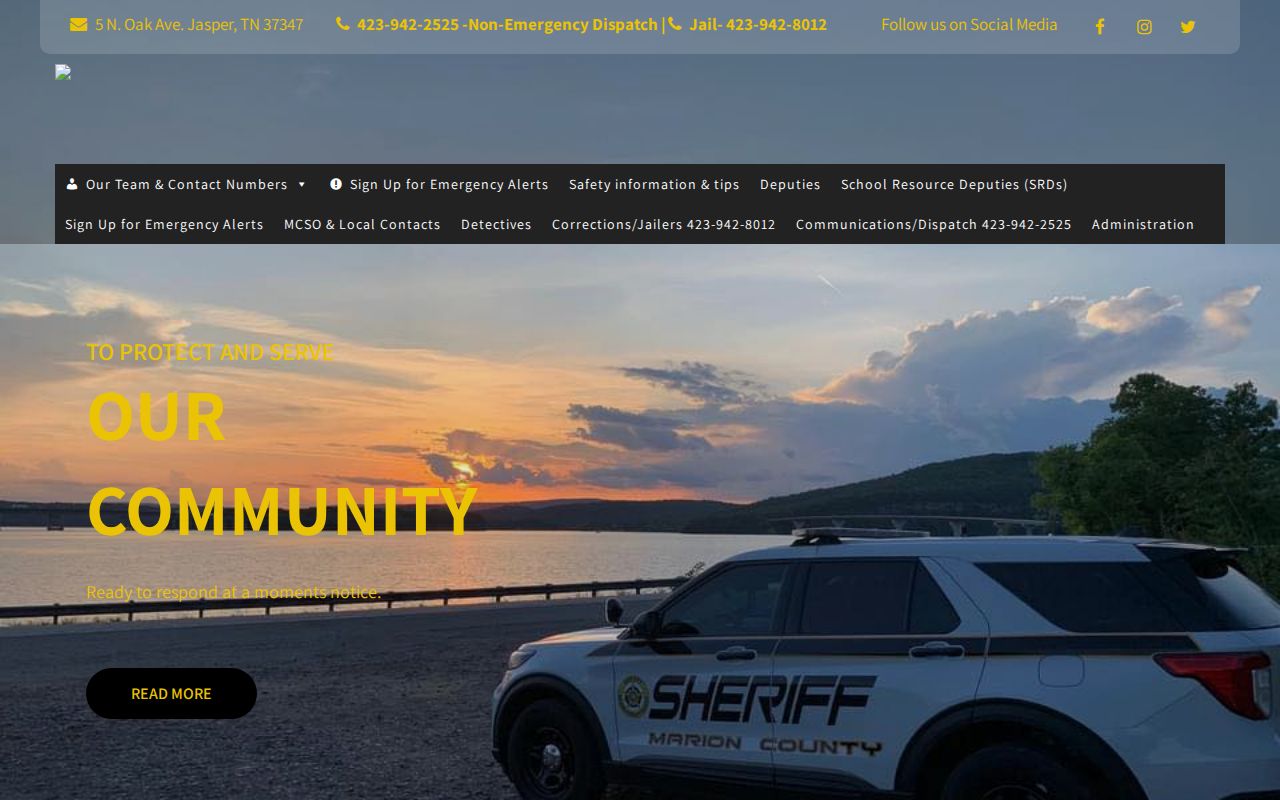
It explains coordination, not public NCIC access.
What an Active Warrant Shows
Ask the issuing clerk which fields the warrant record carries, then confirm the status date and the office that entered it. Municipal codes in South Pittsburg and Monteagle describe city docket fields. Those codes do not create a county web roster, and no public Marion County warrant result exists to inspect.
| Process identifier | Warrant, capias, or summons number kept by that court |
|---|---|
| Issuing office | Court or judge that controls the court record |
| Reason | Charge, missed setting, citation, or other order |
| Service | Whether an agency served or returned the process |
| Status date | When a clerk or agency last entered an update |
“Served” does not mean the underlying case is dismissed.
Marion County City Warrants Stay on Separate Dockets
Marion County's five city courts keep their own ordinance and traffic dockets. South Pittburg and Monteagle municipal codes record warrant or summons numbers, the offense, the disposition, and fines or costs owed or collected. A city docket can hold active process that never shows on the sheriff's public website. For a city citation, call the city clerk with your court date and citation number. County Circuit or General Sessions cases go through the Justice Center. The municipal court page lists each city's official starting contact.
Marion County Active Warrants Are Not a Most-Wanted List
Marion County keeps no public roster of active warrants, and the sheriff runs no local roundup or amnesty week. For wanted suspects, the Marion County Sheriff's Department points to the Tennessee Bureau of Investigation's Top 10 program, a statewide selection rather than a county warrant list. Visit the TBI Most Wanted program for current picks and details. To learn how that program works and how to send a safe tip, see the Most Wanted page.
An Inmate Search Shows Custody
For Marion County custody questions, the sheriff's corrections page is the starting point. It links straight to the county's official SOMS jail portal, an inmate lookup rather than a warrant list. A search there can tell you whether someone is currently in custody. It cannot confirm every outstanding warrant or walk you through a court case. For that, the issuing court or the clerk holds the answer. The corrections page explains the jail route, and you can open the official Marion County SOMS portal from there.
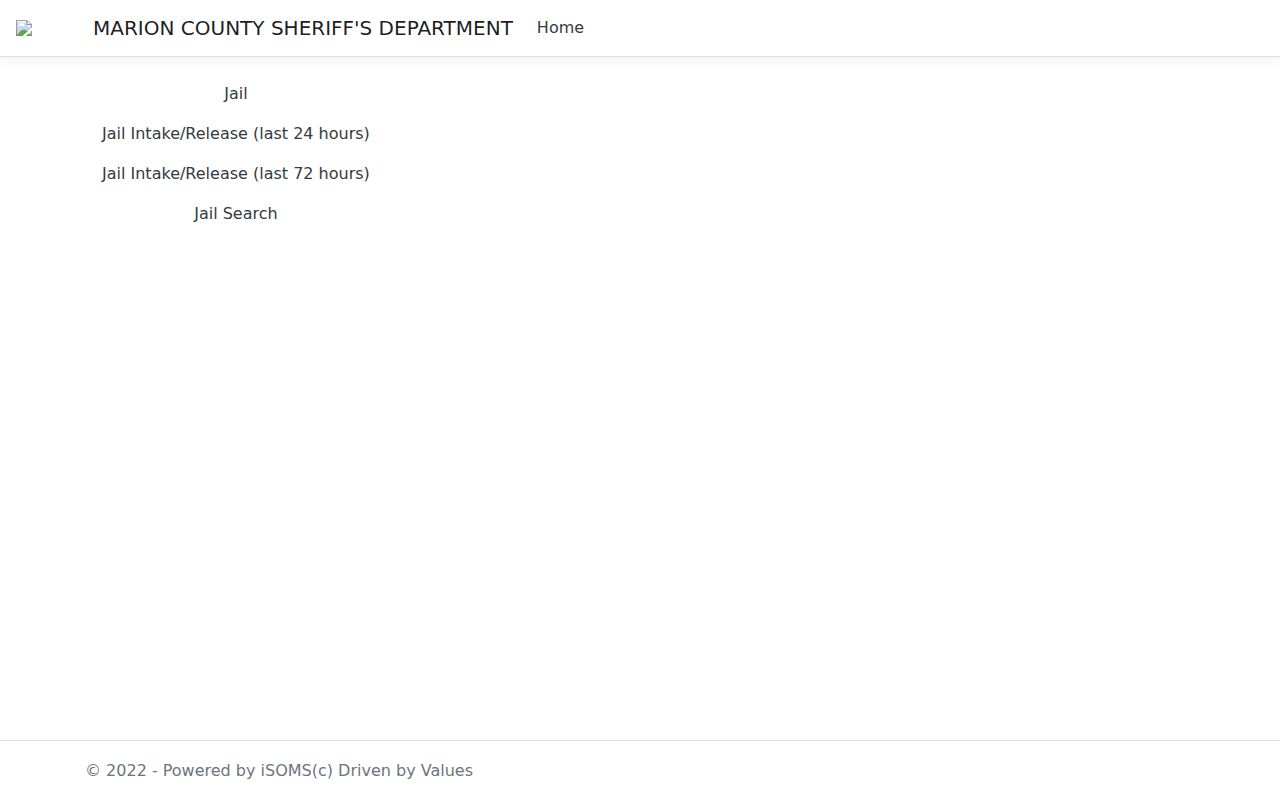
Use the issuing clerk for a court-warrant status question.
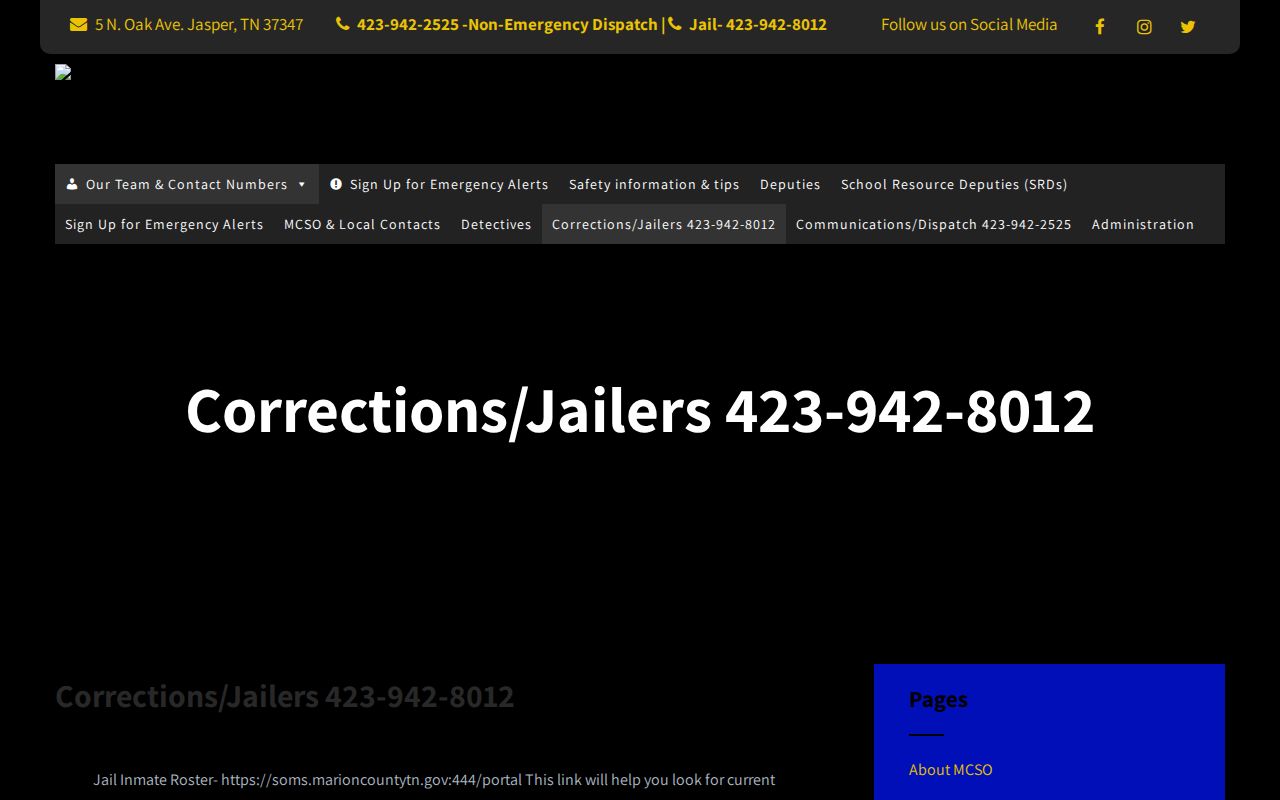
The official link's scope is custody, not a complete warrant search.
If Your Name Is on the List
First figure out exactly where you saw your name. A TBI profile, a jail roster, a city docket, and a county court file each serve a different purpose. If you want advice about an active arrest warrant, talk to an attorney. Then call the issuing clerk and sheriff dispatch for official status and instructions. Before you surrender or pay anything, ask for the court, the case number, the next date, and the bond terms. Get written proof of any recall or clearance, too. Marion County offers no general surrender window, so call the jail and the court before you show up. The home page's warrant-resolution steps walk through the local call order.
Marion County Warrant Status Terms Differ
The words differ. "Recalled" means the issuing court withdrew the warrant. "Served" means an officer executed it. "Cleared" may just describe a later court or system update, so none of these terms guarantee the case ended. Marion County has no local code table that defines them for every office.
- Active or outstanding
- Ask which office reports the current status and the date it was entered.
- Served
- Service occurred; the court case may still be open.
- Recalled or quashed
- The issuing court changed or set aside process.
- Cleared
- Confirm which court or agency changed its record and when.
Keep the order or receipt and confirm that the sheriff's record has updated.