
How to Check for a Warrant in Marion County
Marion County posts no public sheriff warrant search, so the first step is naming the court or agency on the notice. When the source is unclear, sheriff dispatch routes warrant questions and works with the courts. A jail roster answers a custody question. It cannot confirm every open court process. These are the official paths:
- Call sheriff non-emergency dispatch and ask which office holds the record.
- For Circuit or General Sessions matters, contact the Justice Center clerk.
- For a city ticket, call that municipality's court clerk with the citation number.
- Use the jail number for custody or bond questions, not to read a city docket.
- Ask the records custodian how to request an existing public record under Tennessee law.
- Confirm any recall or payment with the issuing court and keep written proof.
Before you call about a Marion County warrant, gather your full name, date of birth, court date, and citation or case number. Save 911 for emergencies, not routine status questions.
Dispatch Handles Marion County Warrant Routing
The sheriff's dispatch page describes staff who handle warrants, maintain NCIC entries, and coordinate with local courts. That is an operational law-enforcement role, not a self-search service. NCIC entries have no public lookup form, and a dispatcher may pass a court-status question to the issuing clerk instead. The official dispatch information lays out that route. The Sheriff's Department site carries contact, corrections, and policy pages, though it publishes no public active-warrant list and names no dedicated warrant unit. Call before you drive over. The department posts no public warrant counter or surrender schedule for Marion County. Its dispatch page is the place a service or routing question starts, and it shows the route itself, not a warrant result.
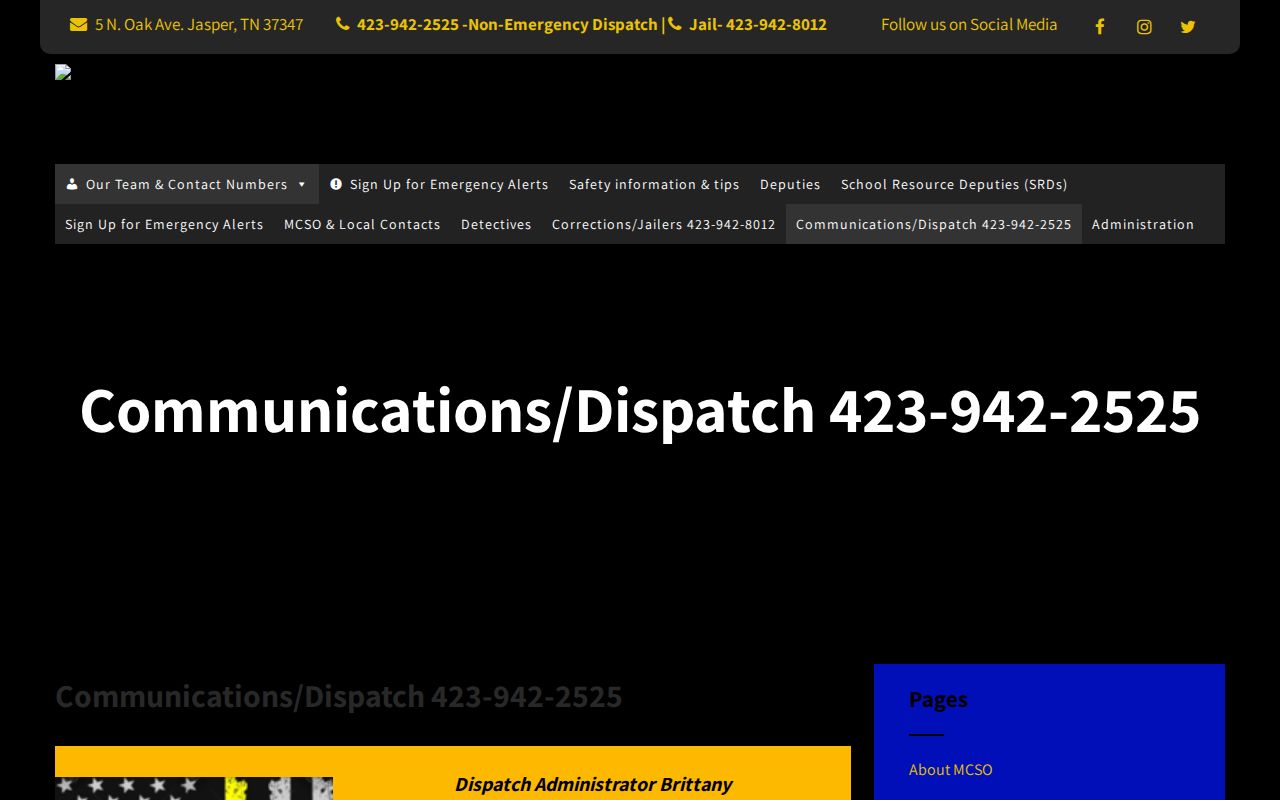
For court status, ask the clerk, who can confirm the docket and any next date. The separate sheriff contact page lists the office's public contact route.
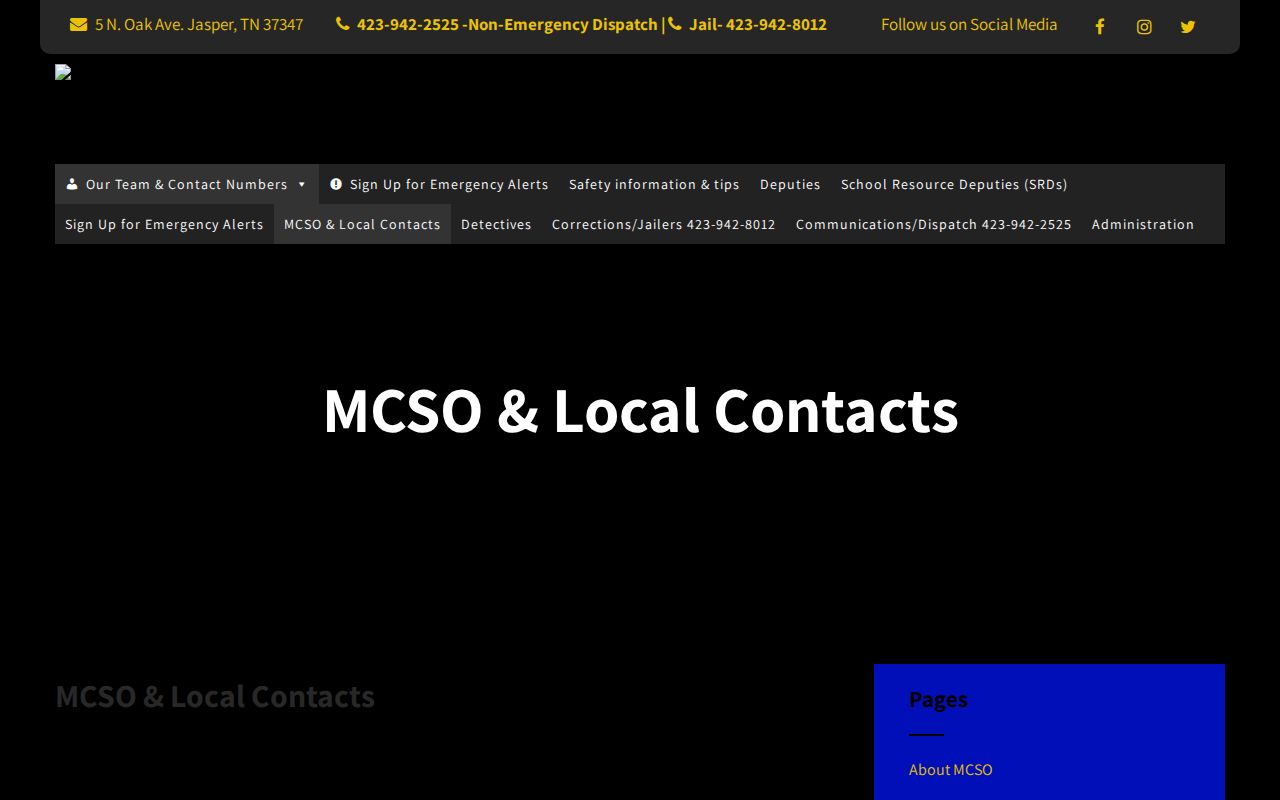
Use dispatch for routing and the clerk for court status.
Types of Warrants in Marion County
The label on a court paper tells you who issued it. A missed appearance, a complaint, an indictment, and a search for evidence each follow different rules. Marion County also runs separate city courts for local traffic and ordinance matters.
| Process | How it can arise | First office to ask |
|---|---|---|
| Arrest warrant | Complaint or affidavit reviewed for probable cause | Issuing court; sheriff for service |
| Bench warrant | Missed court date or failure to obey an order | Court that set the appearance |
| Capias | Post-indictment or presentment process under Rule 9 | Circuit Court Clerk |
| Search warrant | Order to search for specified evidence | Issuing court or agency, subject to access limits |
| City process | Municipal traffic or ordinance case | City court clerk named on the citation |
Tennessee uses "capias" for certain post-indictment process. The clerk's label controls, and Marion County clerks, not guesswork, decide what a paper is called. Not every unpaid ticket carries that name.
Marion County Has Separate Court Routes
Marion County splits its court work across several routes. The Circuit Court in the 12th Judicial District handles felony trial matters, while General Sessions takes lower criminal cases, preliminary hearings, traffic matters, and assigned civil cases. Juvenile Court and Chancery Court keep their own records and access limits. Five local municipal courts hold the city ordinance and traffic dockets, and a shared county seat does not fold them into one file. Location matters too. Jasper's city court meets at 32 Courthouse Square, and the Circuit and General Sessions courts sit in the Justice Center at 5 Oak Avenue. Kimball, South Pittsburg, Whitwell, and Monteagle each keep separate city clerks. Name the municipality when you call so the clerk can tell whether a paper belongs to city or county court. A Census table adds population context for these five places, nothing about warrant volume; the 2020 Census incorporated-place table lists the cities.
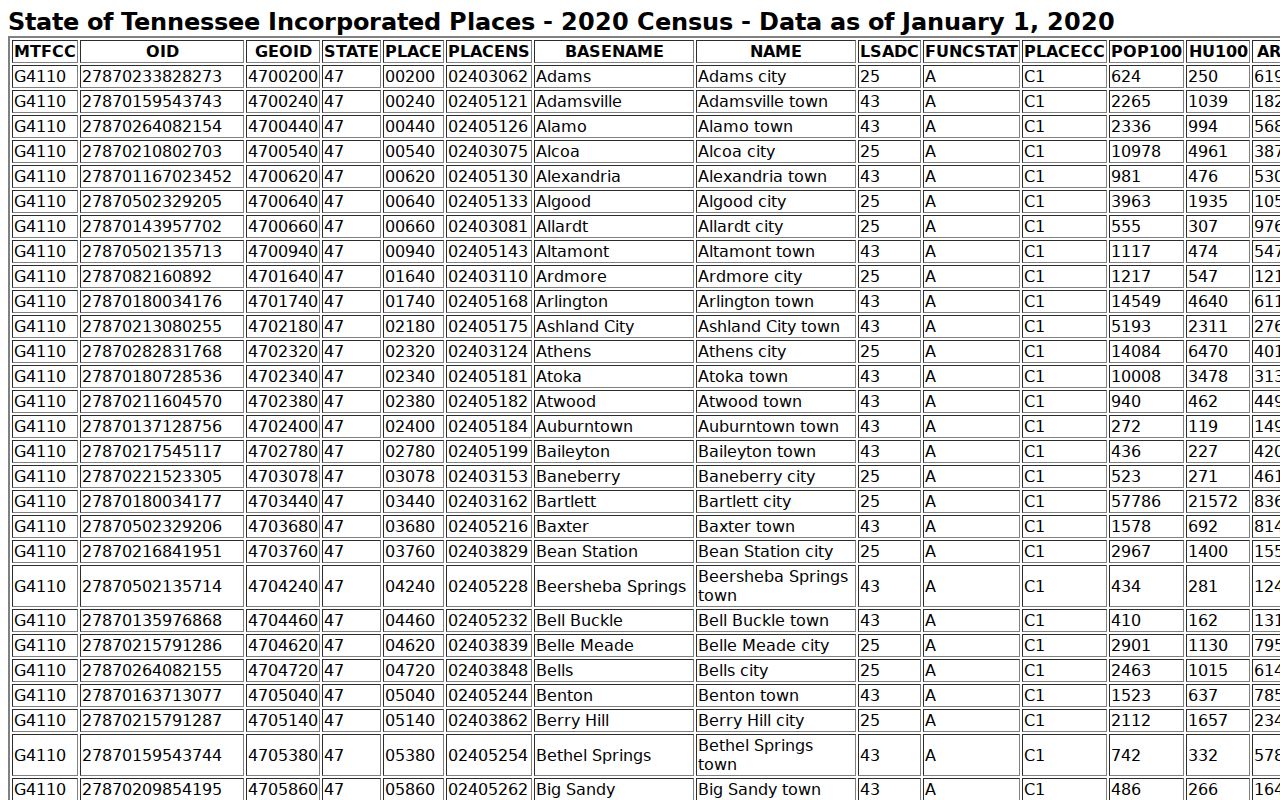
Those figures only explain the city-page order. They say nothing about warrant or case counts in any Marion County court.
What a Marion County Warrant Record Shows
Marion County publishes no public warrant listing, so there is no verified local sample number or online field set to compare against. Ask the clerk which entries exist for the case and how current each status is. A city docket may use its own warrant or summons number.
| Process number | Warrant, capias, summons, or citation number assigned by that court |
|---|---|
| Case and court | Case or cause number and the issuing court |
| Reason | Charge, missed appearance, citation, or other court order |
| Bond | Amount and type, recognizance, or a hold if recorded |
| Status | Active, served, recalled, or another clerk-defined term |
| Next event | Court date, service return, or action needed to resolve the process |
Keep each number paired with the court or agency that gave it. A city citation number can differ from a Marion County case number.
Marion County Has No Published Warrant Number Pattern
Marion County publishes no official year prefix, court prefix, or status-code table for its warrants. Treat any invented sample such as format not published as a placeholder, not a real number. South Pittsburg and Monteagle codes do require local docket fields, including a warrant or summons number, alleged offense, disposition, costs, and collection status. Those rules describe what a clerk records, not a web portal. When you request a city record, name the specific citation and date range. If a number appears on your paper, read it to the issuing clerk and ask which process it identifies.
Who Issues and Serves Marion County Warrants
Judges or authorized judicial officers issue court process, and clerks keep the court-side file. The Sheriff's Department serves Marion County criminal warrants, with dispatch coordinating alongside the courts. City police may serve municipal court process inside town limits. The office holding the record may not be the officer assigned to serve it.
Marion County Sheriff's Department
Dispatch routes law-enforcement warrant questions and coordinates with local courts. It does not publish NCIC data as a public list.
423-942-2525 or 423-942-3004
The county office-holder page names the sheriff and clerk offices in Marion County government. Its directory helps match a question to the right public office. See Marion County's official office-holder directory.
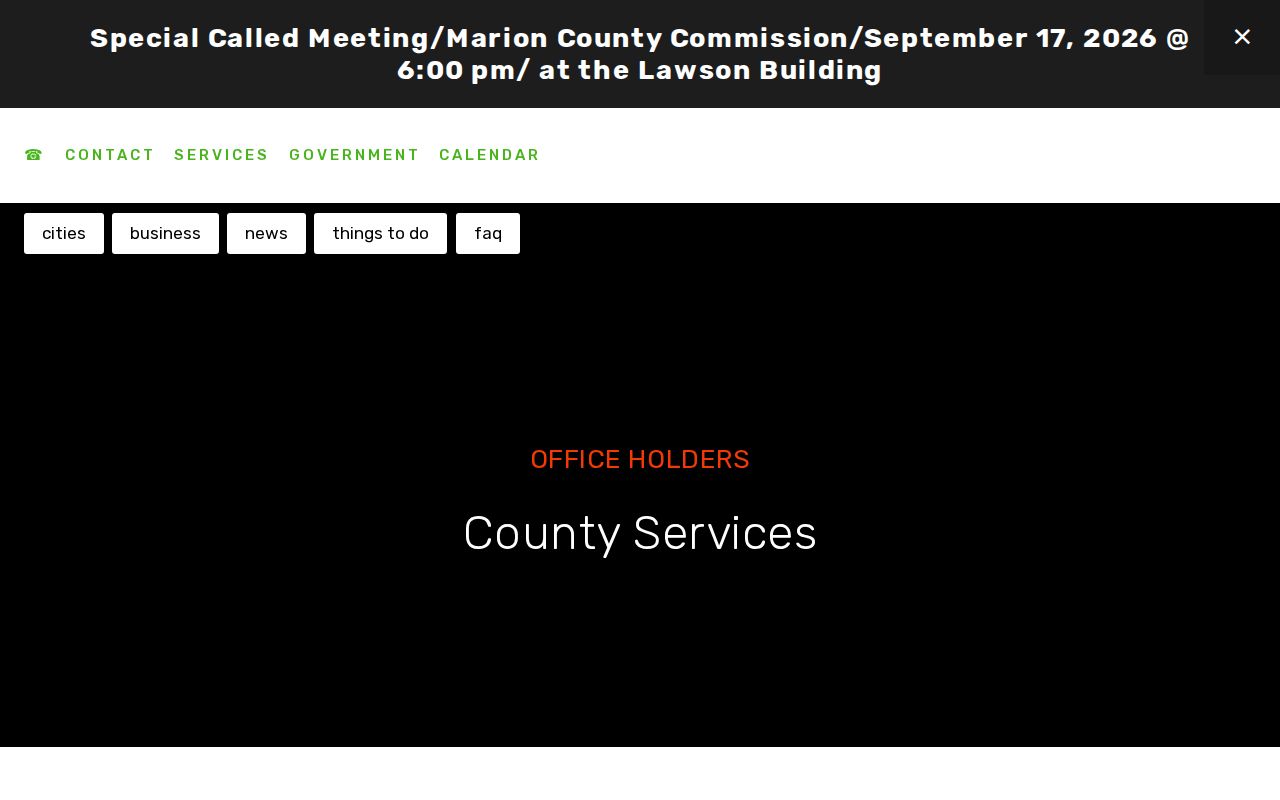
For a Circuit or General Sessions file, the Circuit Court Clerk is the court contact. That office sits apart from the Marion County sheriff.
Marion County Justice Center Starts Court Questions
Questions about Circuit or General Sessions cases in Marion County start at the Justice Center, 5 Oak Avenue in Jasper. Circuit Court Clerk Lonna Henderson's listed number is 423-942-2134, and county materials also show 423-942-8020 for clerk or docket help. Call first. Ask which counter handles your case before you drive over, since the building serves several courts. The clerk can pull a court file and explain an upcoming date or any written action on record. For a service-routing question, the sheriff is the right call. Neither office changes the other's records. The county publishes no public surrender window or bond schedule, so ask the clerk directly about bond steps.
What to Do If You Have a Marion County Warrant
Begin with the issuing court and ask what process is active. Unknown source? Call dispatch for routing. Before an appearance or surrender, ask the clerk and the jail about timing, the entrance, identification, booking, bond, and whether counsel can arrange a court date. Marion County publishes no general walk-in warrant schedule.
Call first. A payment, bond, or motion may not itself update every record. Ask for written proof of the court action, then confirm when the sheriff and any state office will update.
A city citation belongs in that city court, not just Marion County's. Family or child-support process goes through the Clerk & Master. A lawyer can lay out options for a particular case.
Kimball's Traffic Warrant Route Is City-Specific
Kimball lays out a cash appearance-bond path for speeding, parking, and many other violations. Court meets the second Monday at 5:00 p.m. at Town Hall. The court page lists payment methods and a $13.75 fee notice for a traffic offender posting cash bond before court. Confirm the current fee, and ask whether a warrant has already issued, with clerk Sharon Case. That city option does not set Marion County's bond rules. Tennessee Driver Services separately describes a 30-day compliance window after an FTA notice and a $65 reinstatement fee. Court cost, bond, and state license reinstatement are three different amounts. The traffic warrant page walks through the court and Driver Services steps.
Public Access to Marion County Warrant Records
The Tennessee Public Records Act generally covers existing state and local records in Marion County, though court rules and other laws protect some files. Send a request to the office that holds the record. A request does not build a new search system. It cannot change a warrant's status either.
Access rules:
Tenn. Code Ann. § 10-7-503 sets public inspection rules for government records.
Tennessee Supreme Court Rule 34 covers court-record access and exceptions.
Rule 114 addresses juvenile confidentiality; juvenile and sealed files are restricted.
Marion County request forms come through the Mayor's Office. Jasper runs its own city policy, but its copy fees do not set what the county sheriff charges.
Marion County Warrant Requests Start With the Custodian
A records request should name the office that holds the record. In Marion County, the planning and building page routes public-record forms through the Mayor's Office, while a city docket request goes to that municipality's clerk. Give the court, the case number or date range, and whether you want to inspect a record or get a copy. A request can locate a document. It cannot create a public warrant database or change the court's process.
Marion County Has No Public Warrant Roster
Marion County and the sheriff publish no full active-warrant list, roundup notice, or most-wanted roster. The sheriff links to the Tennessee Bureau of Investigation's curated Top 10 program, which is statewide and limited by published selection criteria. A missing web listing settles nothing. City dockets, protected files, recent changes, and law-enforcement records can all sit outside any public roster. Call the issuing clerk or sheriff dispatch for a current answer. No office here runs an official amnesty week or safe-surrender event.
Warrant Records by City in Marion County
Each city court in Marion County keeps its own local route. The city pages here give procedures and contacts, ordered by 2020 Census population among the five profiled places.
Jasper
Jasper Police and Municipal Court; the clerk handles city citations and docket questions.
South Pittsburg
City Court and Police; the code names warrant and summons docket fields.
Whitwell
Municipal Court Clerk is listed through the city office at extension 2.
Kimball
Town Hall handles the court clerk route and publishes a specific court schedule.
Monteagle
Town Court handles citations across a town that spans three counties.
Population is context only. It predicts nothing about a city's warrant count and is no city-wide status list for Marion County.